A complete overview to the vr6 engine for beginners
" Revealing the VR6: A Helpful Overview to Its Efficiency and Technology" e
The VR6 engine stands apart in automotive engineering. Its unique design merges attributes of both inline and V-type engines. With a portable plan of six cyndrical tubes, it achieves significant power results while continuing to be fuel-efficient. This overview will certainly explore the intricacies of the VR6, from its performance capacities to its historical significance. As the automotive landscape progresses, the relevance of the VR6 continues to pique rate of interest amongst enthusiasts and daily vehicle drivers alike.
The Special Style of the VR6 Engine
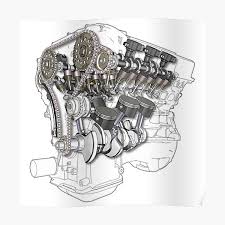
The VR6 engine sticks out in the vehicle landscape due to its cutting-edge style that integrates the characteristics of both inline and V-type engines. This distinct configuration permits a small yet effective engine layout, including 6 cylinders prepared at a narrow angle. By utilizing a single bank of cylinders, the VR6 reduces engine size, making it appropriate for lorries with limited area. In addition, the engine achieves a balance between performance and performance, supplying smooth power shipment and an unique exhaust note. The design incorporates innovative innovations such as variable valve timing, enhancing both responsiveness and gas economy. Consequently, the VR6 engine has actually come to be a preferred choice among enthusiasts, providing a blend of functionality and electrifying driving experience in numerous versions.
Engineering Marvels: How the VR6 Functions
Featuring an unique configuration, the VR6 engine runs via a blend of cutting-edge design concepts that make the most of performance and performance. Its design integrates the characteristics of both V and inline engines, enabling a portable type that fits quickly within limited engine bays. The engine includes a slim angle between the cylinder financial institutions, usually around 15 degrees, which adds to its space-saving design while keeping smooth procedure. Furthermore, the VR6 makes use of a single cyndrical tube head, decreasing weight and intricacy compared to traditional V engines. This arrangement guarantees peak burning effectiveness and enhances thermal management. The engine is equipped with sophisticated gas injection systems and variable shutoff timing, additional boosting its responsiveness and dependability, making it a significant accomplishment in vehicle design.

Performance Capabilities: Power and Torque
With power results ranging from 150 to over 300 horsepower, the VR6 engine showcases impressive efficiency abilities that interest both lovers and daily vehicle drivers. This unique engine configuration supplies a harmonious balance in between efficiency and drivability, defined by its smooth power delivery and robust torque. Torque figures usually range from 150 to 300 lb-ft, improving velocity and responsiveness across different driving problems. The VR6 engine's design enables a small size without compromising power, making it suitable for a selection of lorries, from stylish coupes to practical cars. This versatility assures that vehicle drivers can take pleasure in perky driving experiences while profiting from the engine's reputable efficiency in daily scenarios, solidifying its track record in the auto landscape.
Fuel Effectiveness and Exhausts Factors To Consider
The VR6 engine's fuel economy scores play a vital function in its general appeal, particularly in a period of raising ecological awareness. Conformity with emission standards is vital for manufacturers, as it affects market acceptance and governing approvals. Furthermore, engine adjusting can significantly influence both fuel performance and exhausts, highlighting the need for a well balanced method in efficiency optimization.
Gas Economy Rankings
Exhaust Requirements Compliance
Emission standards conformity stands for a vital element of the VR6 engine's design and performance. Engineered to fulfill strict laws, the VR6 incorporates sophisticated innovations that minimize unsafe exhausts without compromising power. vr6. The combination of attributes such as catalytic converters and advanced fuel shot systems ensures that the engine can run effectively while sticking to ecological standards. This compliance not only boosts the charm of the VR6 in different markets yet likewise adds to its long-lasting sustainability. In addition, the focus on lower discharges aligns with expanding customer need for greener automobiles. As makers continue to innovate, the VR6 stays a proof of the balance in between performance and ecological obligation, fulfilling both governing requirements and consumer expectations
Engine Tuning Impact
Tuning the VR6 engine can greatly influence both gas efficiency and discharges result. By changing parameters such as air-fuel ratio, ignition timing, and increase pressure, receivers can maximize engine efficiency to attain far her response better fuel economic situation. A well-tuned VR6 may demonstrate improved throttle response and power distribution, which can ultimately cause lowered fuel intake during regular driving problems.
The adjusting process have to think about discharge requirements, as aggressive modifications might result in higher exhausts. Specific tuning techniques, such as the setup of aftermarket elements or software application, can boost engine performance while still abiding by laws - vr6. Eventually, a balanced approach to adjusting can yield a VR6 that performs efficiently without compromising ecological obligations
The VR6 in Automotive Background
The VR6 engine has carved a remarkable particular niche in automobile background, representing a distinct mix of efficiency and small layout. Introduced by Volkswagen in the early 1990s, it combined the most effective features of inline and V engines, providing a narrow-angle setup that permitted a shorter engine block. This layout promoted combination into a variety of lorries, from the Golf to the Passat, while maintaining an effective performance profile. The VR6 acquired recognition for its distinctive sound, smooth procedure, and impressive torque shipment, appealing to lovers and everyday vehicle drivers alike. Throughout the years, it has actually been a keystone in Volkswagen's schedule, influencing engine advancement and establishing benchmarks for efficiency in small automobiles. Its legacy remains to resonate in the automotive globe.
Adjusting and Alterations for Boosted Performance
Several fanatics go after adjusting and adjustments to launch the full possibility of the VR6 engine, changing its already outstanding efficiency characteristics. Common modifications include upgrading the intake and exhaust systems, which boost airflow and enhance throttle response. Many opt for ECU remapping to optimize gas shipment and ignition timing, leading to enhanced horse power and torque. Setting up a high-performance turbocharger can greatly increase engine output, making it a preferred option amongst tuners. In addition, adjust suspension and brakes warranties that enhanced power is matched by improved handling and stopping capabilities. Aftermarket intercoolers and updated fuel systems better support these alterations, enabling sustained performance enhancements. In general, these tuning choices supply VR6 lovers with a personalized driving experience tailored to their performance wishes.
The Future of the VR6 Engine
As vehicle modern technology remains to evolve, the future of the VR6 engine continues to be a topic of intrigue among fanatics and producers alike. This unique engine setup, known for its portable design and smooth performance, is facing challenges from emerging alternatives such as hybrid and electric powertrains. However, the VR6's unique sound and character keep a dedicated following. Producers might explore innovations in products and turbocharging to boost performance and efficiency, guaranteeing the VR6 continues to be relevant in the affordable automobile landscape. In addition, possible adaptations for crossbreed systems could extend the engine's life expectancy. Ultimately, while the VR6 engine's future may doubt, its heritage remains important link to influence development and official statement interest within the vehicle area.

Regularly Asked Questions
What Cars Typically Feature the VR6 Engine?
The VR6 engine is frequently discovered in numerous Volkswagen and Audi models, consisting of the Golf, Passat, and Jetta, in addition to the Audi A3 and A4, showcasing its adaptability and performance in multiple applications.
Just how Does the VR6 Contrast to Inline and V Engines?
The VR6 engine provides a compact design that integrates features of both inline and V engines, offering an equilibrium of smoothness and power. Its unique setup enables reliable room utilization without compromising performance.
What Are the Common Problems With VR6 Engines?
Common concerns with VR6 engines include oil leaks, timing chain tensioner failings, and coolant system issues (vr6). In addition, some devices experience consumption manifold problems and potential overheating, which can cause significant performance decreases and repair work
Can the VR6 Engine Be Exchanged Into Other Cars?
Yes, the VR6 engine can be switched into numerous lorries, usually requiring custom-made places and adjustments. Enthusiasts frequently pursue this swap to enhance performance, though compatibility and technical challenges must be carefully taken into consideration ahead of time.
What Is the Cost of a VR6 Engine Substitute?
The expense of a VR6 engine replacement generally ranges from $3,000 to $7,000, relying on elements like labor, components high quality, and whether it's a new or used engine. Prices might differ by location and automobile version.
The VR6 engine stands out in the automotive landscape due to its innovative design that integrates the characteristics of both inline and V-type engines. Its design integrates the features of both V and inline engines, enabling for a small type that fits conveniently within limited engine bays. Presented by Volkswagen in the early 1990s, it combined the best qualities of inline and V engines, using a narrow-angle setup that allowed for a much shorter engine block. The VR6 engine offers a compact style that incorporates features of both inline and V engines, giving a balance of smoothness and power. The cost of a VR6 engine replacement normally varies from $3,000 to $7,000, depending on aspects like labor, components quality, and whether it's a brand-new or made use of engine.